
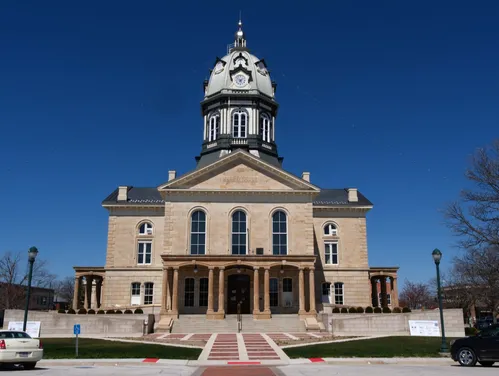
Opportunity Zones is an economic development program established by Congress in the Tax Cuts and Jobs Act, made permanent in the One Big Beautiful Bill Act, and administered by the U.S. Department of the Treasury. The incentive is designed to encourage long-term, private investments in low-income census tracts by providing a federal tax incentive for taxpayers who reinvest unrealized capital gains into Opportunity Funds, which are then invested into opportunity zones.
Eligibility
These zones are designated based on the Treasury Department’s qualifications: Low-income census tracts (LICs) are U.S. Census tracts where the median family income is less than 70% of the metro area (for urban tracts) or state (for rural tracts); tracts that have a poverty rate of at least 20% where the median family income is less than 125% of the metro area (for urban tracts) or state (for rural tracts) are also eligible. The governor of each state is permitted to designate 25% of its LICs as Opportunity Zones subject to approval from the Treasury Department. Iowa has 175 eligible LICs, of which 44 will become designated Iowa Opportunity Zones.
Timeline
- Early July 2026: IEDA requests the assistance of partners within eligible LICs to submit a nomination application for an Iowa Opportunity Zone designation. The application deadline is July 31, 2026.
- August 2026: IEDA reviews applications based on information provided in applications, among other development criteria.
- Early September 2026: Iowa Governor's Office submits recommendations to the Treasury Department for review.
- Late September 2026: Treasury Department determines designated Iowa Opportunity Zones.
- January 1, 2027: The Opportunity Zones program goes into effect. Only projects started on or after this date will be eligible for Opportunity Zone incentives.
Resources
For more information, the U.S. Department of Housing and Urban Development has a webpage dedicated to Opportunity Zones Updates.